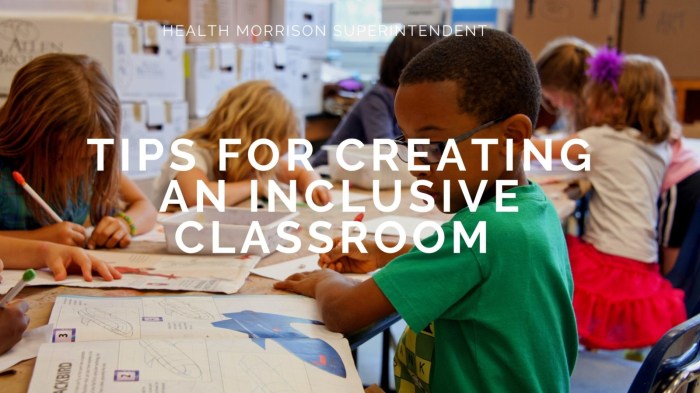
Grate inclusive classroom setups are pivotal in shaping an educational environment where every student feels valued and engaged. These setups not only accommodate diverse learning needs but actively enhance participation by fostering a sense of belonging. By incorporating thoughtful design and innovative teaching strategies, educators can create a thriving atmosphere that invites all students to share their voices and experiences.
As we delve into the essence of these setups, we will explore their fundamental features, how to assess their effectiveness, and the critical role that the physical space plays in energizing student engagement. This journey will uncover the transformative potential of inclusivity in education, paving the way for enriched learning experiences.
Grate Inclusive Classroom Setups
Creating a grate inclusive classroom setup is essential for fostering an environment where every student feels welcomed and engaged. An inclusive classroom not only accommodates diverse learning needs but also promotes a sense of belonging among students. This article will explore the key features of an effective inclusive classroom, methods for evaluating its effectiveness, and the significant impact of physical space on student engagement.
Essential Features of a Grate Inclusive Classroom Setup
An inclusive classroom setup should include several key features to ensure that all students can thrive. These features encompass:
- Flexible Seating Arrangements: Allowing various seating options helps accommodate different learning styles and comfort levels.
- Accessible Resources: All learning materials should be easily accessible, including digital resources for students with disabilities.
- Visual Supports: Using charts, diagrams, and other visual aids can enhance understanding for visual learners.
- Collaborative Spaces: Designated areas for group work encourage collaboration and social interaction among students.
Evaluating the Effectiveness of Inclusive Classroom Environments
To determine the success of an inclusive classroom setup, educators must implement various evaluation methods. These can include:
- Student Feedback: Regular surveys can provide insight into how students perceive inclusivity in their classroom.
- Observation: Teachers can observe student interactions and engagement levels during lessons.
- Academic Performance Metrics: Analyzing grades and progress reports can help gauge the effectiveness of inclusive practices.
Impact of Physical Space on Student Engagement
The physical layout of a classroom plays a crucial role in student engagement. Research shows that:
- Open Layouts: Classrooms with open spaces facilitate movement and interaction, leading to increased participation.
- Personalized Learning Zones: Areas that cater to individual learning preferences can enhance focus and motivation.
- Ambient Environment: Proper lighting, color schemes, and decor can positively influence mood and engagement levels.
Education Queen
In the realm of inclusive education, leaders play a pivotal role in shaping a nurturing environment for all students. Leaders or ‘education queens’ inspire and empower their teams to embrace inclusive practices and create supportive learning atmospheres.
Qualities of a Leader in Inclusive Education
An effective leader in inclusive education embodies several key qualities that facilitate a positive learning environment:
- Empathy: Understanding the diverse needs of students fosters a caring atmosphere.
- Visionary Thinking: Leaders must envision an inclusive future and motivate others to work towards it.
- Strong Communication: Clear communication helps build trust among staff, students, and parents.
Strategies for Empowering Teachers
To cultivate ‘education queens’ in classrooms, various strategies can be implemented, such as:
- Professional Development: Providing ongoing training in inclusive practices helps teachers feel equipped and confident.
- Collaboration Opportunities: Encouraging teachers to share best practices fosters community and support.
- Recognition Programs: Acknowledging teachers’ efforts in promoting inclusivity boosts morale and motivation.
Significance of Mentorship
Mentorship is vital in developing inclusive teaching practices, as it allows experienced educators to guide and support their peers. The benefits include:
- Knowledge Sharing: Mentors can share strategies and resources that have worked in their own classrooms.
- Emotional Support: Providing guidance during challenging situations helps foster resilience in novice teachers.
- Building Confidence: Mentorship encourages teachers to take risks and innovate in their teaching methods.
Education Delightful
Creating a delightful learning atmosphere is essential for engaging all students, particularly in diverse classrooms. When students enjoy their learning experiences, they are more likely to participate actively and retain information.
Creating a Delightful Learning Atmosphere
An engaging and delightful classroom can be achieved through various methods, including:
- Positive Reinforcement: Celebrating achievements, both big and small, boosts students’ confidence and motivation.
- Interactive Learning: Incorporating hands-on activities ensures students remain engaged and excited about learning.
- A Welcoming Environment: A classroom filled with student artwork and positive messages creates a sense of belonging.
Activities that Promote Enjoyment in Classrooms
Incorporating enjoyable activities can help engage students better. Here are examples of effective activities:
- Group Projects: Collaborative group projects encourage teamwork and enhance social skills.
- Games and Competitions: Friendly competitions or educational games can make learning fun and interactive.
- Creative Arts Integration: Blending art with traditional subjects allows for creative expression and engagement.
Role of Creativity in Education
Creativity plays an essential role in making education delightful, especially for learners with varying needs. Some aspects include:
- Diverse Learning Methods: Utilizing different teaching styles caters to students’ individuality and keeps lessons fresh.
- Encouragement of Self-Expression: Allowing students to express their ideas creatively fosters engagement and ownership of learning.
- Innovation in Lesson Planning: Creative lesson plans can incorporate technology, storytelling, and art to enhance learning experiences.
Education Trap
While striving for inclusivity, educators may encounter various pitfalls that hinder effective teaching. Recognizing and addressing these barriers is crucial for fostering an inclusive educational environment.
Common Pitfalls in Striving for Inclusivity
Some common pitfalls that educators face include:
- Lack of Training: Insufficient training can lead to ineffective inclusive practices.
- Inadequate Resources: Not having the right tools can limit teachers’ ability to support all students.
- Resistance to Change: Some educators may resist new methodologies, hindering progress toward inclusivity.
Barriers to Effective Inclusive Education
Barriers can arise from various aspects of the educational system. These include:
- Curriculum Limitations: A rigid curriculum may not cater to diverse learning needs.
- Classroom Management Issues: Challenges in managing diverse groups can affect the learning environment.
- Negative Attitudes: Stereotypes and biases can create a non-inclusive atmosphere.
Avoiding the One-Size-Fits-All Approach
To prevent falling into the ‘education trap’ of one-size-fits-all approaches, educators should:
- Differentiate Instructions: Tailoring lessons to meet individual student needs ensures better engagement.
- Encourage Student Voice: Allowing students to express their preferences promotes a sense of ownership in their learning.
- Utilize Formative Assessments: Ongoing assessments can help identify areas where adjustments are needed in teaching methods.
Education Chop
Creating a curriculum that includes ‘chopped’ components can significantly foster inclusivity by integrating diverse perspectives and methods into the classroom.
Designing a ‘Chopped’ Curriculum
Curricula that incorporate ‘chopped’ components can enhance inclusivity. Key elements include:
- Modular Units: Breaking down lessons into smaller, manageable units allows for flexibility and variety.
- Interdisciplinary Approaches: Incorporating elements from various subjects promotes a broader understanding.
- Student-Centered Learning: Allowing students to choose how they engage with material encourages ownership and interest.
Integrating Diverse Perspectives
To enrich the curriculum with diverse perspectives, educators can implement:
- Culturally Relevant Materials: Including literature and resources from various cultures enhances students’ connections to content.
- Guest Speakers: Inviting speakers from different backgrounds can provide unique insights and experiences.
- Community Involvement: Engaging with local communities fosters real-world connections to the curriculum.
‘Chopping’ Traditional Approaches
To promote better engagement, educators can consider ‘chopping’ traditional approaches by:
- Incorporating Technology: Utilizing digital tools and platforms can make lessons more interactive and engaging.
- Project-Based Learning: Implementing projects that allow for creativity encourages collaboration and critical thinking.
- Flexible Assessment Methods: Offering various ways to demonstrate understanding caters to diverse learners.
Education Destroy
Neglecting inclusivity in education can have detrimental effects on students, leading to negative outcomes both academically and socially. Addressing stereotypes and biases is crucial in creating a supportive learning environment.
Negative Impacts of Neglecting Inclusivity
The absence of inclusive practices can result in:
- Disengagement: Students may feel isolated and disconnected, leading to reduced participation and motivation.
- Lower Academic Performance: A lack of support can hinder learning progress, affecting grades and self-esteem.
- Social Isolation: Students may struggle to build lasting friendships and social skills, impacting their overall development.
Destroying Stereotypes and Biases
To create a more inclusive environment, educators must actively work to dismantle stereotypes and biases:
- Inclusive Language: Using language that is respectful and inclusive can help foster a positive atmosphere.
- Awareness Training: Providing training on diversity and inclusion can help educators recognize and mitigate their biases.
- Teach Empathy: Encouraging empathy and understanding among students can break down barriers to inclusivity.
Dismantling Barriers to Participation
Effective strategies for dismantling barriers include:
- Individualized Support Plans: Tailoring support to meet individual needs enhances participation and success.
- Peer Support Systems: Establishing buddy systems can foster collaboration and provide additional support.
- Accessible Communication: Ensuring that information is shared in multiple formats can help all students engage.
Education Skip
In an inclusive classroom, there are key moments in a lesson where inclusivity should be prioritized, ensuring all students feel valued and included.
Key Moments in a Lesson for Inclusivity
Identifying critical moments to emphasize inclusivity can enhance the learning experience:
- Beginning of Class: Establishing a welcoming tone sets the stage for an inclusive environment.
- Group Activities: Ensuring all voices are heard during group work promotes collaboration and respect.
- Feedback Sessions: Providing constructive feedback in an inclusive manner encourages growth and understanding.
Guidelines for Inclusive Practices
Creating a framework for ensuring inclusive practices can benefit all students. Guidelines include:
- Use of Inclusive Language: Always strive to use language that respects and honors all students.
- Encourage Participation: Actively seek input from quieter students to ensure everyone has a voice.
- Adapt Instructions: Tailoring directions to accommodate different learning styles can enhance comprehension.
Skipping Traditional Non-Inclusive Methods
Avoiding traditional methods that do not support all learners is essential. Strategies to do this include:
- Move Beyond Lectures: Incorporating interactive elements into lessons promotes engagement.
- Limit Standardized Testing: Implementing diverse assessment methods can better reflect students’ understanding.
- Foster Flexibility: Allowing for different approaches to learning can cater to various needs.
Education Grate
Creating a ‘grate’ environment in classrooms not only supports diverse learning styles but also fosters a sense of belonging for all students.
Supporting Diverse Learning Styles
To establish a classroom that accommodates diverse learning styles, educators can employ several practices:
- Multi-Sensory Learning: Incorporating tactile, auditory, and visual activities engages various learners.
- Flexible Grouping: Regularly changing group configurations allows students to work with different peers.
- Personalized Learning Paths: Offering choices in assignments caters to individual interests and strengths.
Enhancing Inclusivity in Interactions
Classroom interactions can be enhanced through:
- Encouraging Peer Collaboration: Promoting cooperative learning experiences strengthens social skills.
- Using Restorative Practices: Approaches that emphasize dialogue and understanding build community and respect.
- Celebrating Diversity: Recognizing and honoring students’ backgrounds fosters inclusivity.
Innovative Ideas for Fostering Belonging
Innovative strategies can help create a sense of belonging among students:
- Student-Led Initiatives: Empowering students to lead projects can enhance ownership and pride.
- Inclusive Events: Hosting events that celebrate cultural diversity encourages community building.
- Creating Safe Spaces: Establishing areas where students feel safe to express themselves is crucial.
Education Learned
Educators must continually learn about inclusivity to enhance their teaching practices and support their students effectively. This ongoing learning process is essential for fostering an inclusive educational environment.
Insights on Continuous Learning
To foster inclusivity in education, educators can employ a variety of strategies:
- Participate in Workshops: Engaging in professional development workshops on inclusivity expands understanding and skills.
- Collaborate with Peers: Sharing experiences and knowledge with colleagues enhances collective learning.
- Stay Informed: Following current research and trends in inclusive education helps educators implement best practices.
Resources for Professional Development
Numerous resources are available to support educators in their professional development efforts:
- Online Courses: Exploring platforms offering courses on inclusive education can provide valuable insights.
- Books and Journals: Reading literature on diversity and inclusion expands knowledge and awareness.
- Webinars and Conferences: Attending events focused on inclusivity allows educators to network and learn from experts.
Importance of Reflection
Reflection plays a critical role in the continuous learning process for teachers. Key aspects include:
- Self-Evaluation: Reflecting on one’s teaching practices allows educators to identify areas for improvement.
- Student Feedback: Gathering input from students can inform teaching strategies and enhance engagement.
- Goal Setting: Establishing professional goals based on reflection promotes personal and professional growth.
Education Faint
Recognizing signs of disengagement or ‘faint’ participation from students is crucial for fostering inclusivity and ensuring every learner feels valued and involved.
Signs of Disengagement
Educators should be alert to several signs that may indicate student disengagement:
- Reduced Participation: Students who are not actively contributing to discussions may be feeling disconnected.
- Declining Performance: A drop in grades or quality of work can signal that a student is struggling.
- Increased Absenteeism: Frequent absences may indicate that students are losing interest in school.
Strategies to Invigorate Overlooked Students
To re-engage students who may feel overlooked, educators can implement several strategies:
- Personal Check-Ins: Having one-on-one conversations with students can help identify their needs and concerns.
- Tailored Assignments: Providing assignments that align with students’ interests can rekindle their enthusiasm for learning.
- Encouraging Peer Support: Creating opportunities for students to support each other fosters a sense of community.
Monitoring Student Well-Being
Regular monitoring of student well-being is essential for ensuring inclusivity. Effective methods include:
- Regular Surveys: Conducting surveys to assess students’ feelings about the classroom environment can provide valuable insights.
- Observation: Observing student interactions and behaviors can help identify those who may need additional support.
- Encouraging Open Dialogue: Creating a culture of openness where students feel safe to express their concerns is crucial.
Education Comb
Exploring various teaching methods to find inclusive practices can significantly enhance student engagement and learning outcomes.
Combing Through Teaching Methods
Educators can ‘comb’ through teaching methods to discover effective inclusive practices by focusing on:
- Variety of Approaches: Experimenting with different instructional strategies helps identify what works best for students.
- Feedback Incorporation: Actively seeking and integrating student feedback can improve instructional delivery.
- Peer Observations: Observing fellow educators allows teachers to learn from their colleagues’ practices.
Integrating Multiple Learning Styles
When planning lessons, it’s essential to integrate multiple learning styles to cater to all students:
- Visual Aids: Using images, videos, and charts can enhance understanding for visual learners.
- Auditory Components: Incorporating discussions, music, or storytelling appeals to auditory learners.
- Hands-On Activities: Engaging students in physical activities caters to kinesthetic learners.
Importance of Student Feedback
Collecting and analyzing student feedback is crucial for ongoing improvement in teaching practices:
- Regular Check-Ins: Conducting informal conversations can help educators gauge student satisfaction and engagement.
- Anonymous Surveys: Providing opportunities for anonymous feedback encourages honest responses.
- Incorporating Feedback into Planning: Adjusting teaching plans based on student input demonstrates responsiveness and respect.
Education Zany
Incorporating a touch of zaniness into teaching can enhance the overall learning experience, fostering engagement and interest among students.
Enhancing Learning Experiences with Zaniness
Zany teaching methods can bring a unique flair to lessons, making them more enjoyable:
- Humor in Teaching: Using lighthearted jokes and anecdotes can make learning more relatable and fun.
- Creative Lesson Themes: Crafting lessons around fun themes or characters can capture students’ imaginations.
- Interactive Games: Integrating games into lessons can boost excitement and participation.
Zany Teaching Methods that Promote Inclusivity
Several zany teaching methods can effectively promote inclusivity, such as:
- Role-Playing Activities: Encouraging students to take on different perspectives enhances empathy and understanding.
- Creative Arts Integration: Blending art with traditional subjects allows for creative expression and engagement.
- Fun Challenges: Implementing challenges or competitions can motivate students and promote teamwork.
Balancing Fun and Educational Content
While zaniness can enhance classroom dynamics, maintaining an educational focus is essential:
- Clear Learning Objectives: Ensuring that lessons have clear objectives helps keep activities aligned with educational goals.
- Structured Activities: Even fun activities should have structure to ensure that learning outcomes are met.
- Reflective Practices: Incorporating time for reflection helps students connect fun experiences to their learning.
Final Conclusion
In summary, the importance of grate inclusive classroom setups cannot be overstated. They not only cater to the unique needs of each learner but also foster a collaborative and dynamic educational environment. By implementing inclusive practices, educators can ensure that all students thrive, unlocking their full potential and paving the way for a brighter future in education.
FAQ Guide
What are the key features of a grate inclusive classroom setup?
Essential features include flexible seating arrangements, accessible resources, and varied instructional strategies that cater to diverse learning styles.
How can I evaluate the effectiveness of an inclusive classroom?
Effectiveness can be assessed through student feedback, engagement levels, and academic performance, along with observations of classroom interactions.
What impact does physical space have on student engagement?
The layout and accessibility of the classroom can significantly influence student interaction and comfort, directly affecting their willingness to participate.
How can teachers promote inclusivity among students?
Teachers can foster inclusivity by implementing collaborative activities, encouraging peer support, and being responsive to individual student needs.
What are some common challenges in creating an inclusive classroom?
Common challenges include addressing diverse needs effectively, overcoming biases, and ensuring all resources are accessible to every student.