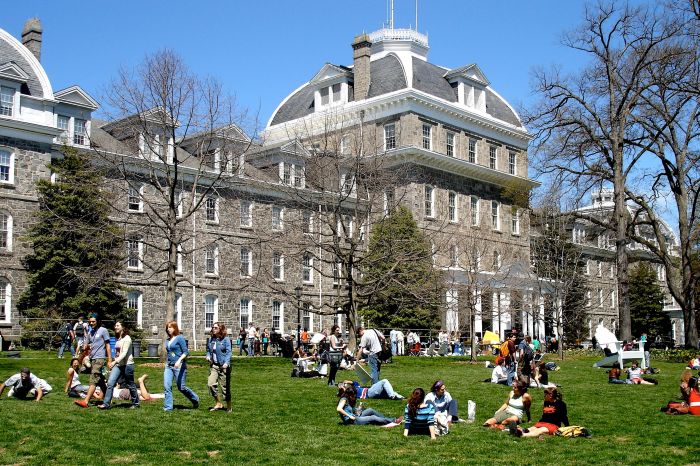
College readiness programs stand as crucial pillars for student success, bridging the gap between high school and higher education. These programs equip students with the essential skills and knowledge needed to thrive in a college environment, paving a smoother path toward academic achievement and personal growth.
Through targeted initiatives, students learn to tackle academic challenges head-on, leading to improved performance and confidence. With statistics highlighting the positive impact of participation, it’s evident that these programs play a vital role in shaping capable and well-prepared future college students.
Importance of College Readiness Programs
College readiness programs play a pivotal role in preparing students for the challenges they will face in higher education. These initiatives equip students with essential academic skills, critical thinking abilities, and the confidence needed to succeed in a college environment. Engaging in such programs not only enhances a student’s preparedness but also significantly impacts their overall academic performance and success rate in college.These programs are designed to identify the gaps in students’ academic knowledge and provide tailored support to bridge those gaps.
They focus on essential skills such as time management, study techniques, and effective communication. Furthermore, college readiness programs often include mentorship and counseling, which help students navigate the complexities of college life. Research shows that students who participate in these programs are more likely to enroll in college, persist through to graduation, and achieve higher GPAs compared to their peers who did not partake.
Statistical Impact of College Readiness Programs
The benefits of college readiness initiatives are supported by various statistics that highlight their effectiveness. Participation in such programs has been linked to improved academic outcomes and increased college enrollment rates. For instance, a study conducted by the National Center for Education Statistics revealed that students who engaged in college preparatory programs were 30% more likely to enroll in a four-year college compared to those who did not participate.Additionally, a report from the College Board indicated that students involved in college readiness activities scored an average of 100 points higher on the SAT than their non-participating counterparts.
This not only enhances their chances of college admission but also opens doors to scholarship opportunities, creating a pathway toward a more affordable education. Furthermore, the implementation of college readiness programs is crucial in addressing equity gaps. Data shows that underrepresented minorities who participate in these programs see a significant increase in college enrollment rates, thereby contributing to a more diverse and inclusive college environment.
Such statistics underline the importance and effectiveness of college readiness programs in shaping the future success of students in higher education.
Components of Effective College Readiness Programs
College readiness programs play a crucial role in preparing students for the academic and social challenges of higher education. These programs equip students with the necessary skills, knowledge, and resources to navigate the transition from high school to college successfully. Understanding the essential components of effective college readiness programs is vital for educators and administrators looking to foster student success.A successful college readiness program should encompass various elements that address both academic and non-academic needs of students.
These components ensure that students are not only prepared for the rigors of college coursework but also equipped with the life skills necessary for a smooth transition into adulthood.
Essential Elements of College Readiness Programs
Effective college readiness programs include several key components that work together to support student development. These elements are critical for fostering a holistic approach to college preparation.
- Academic Skill Development: Focus on enhancing core subjects such as mathematics, reading, and writing to ensure students meet college entry requirements.
- College Knowledge: Provide information about college application processes, financial aid options, and campus resources to demystify the college experience.
- Social and Emotional Support: Implement counseling services and workshops that address stress management, time management, and decision-making skills.
- College Visits and Exposure: Organize trips to local colleges and universities to familiarize students with campus life and academic environments.
- Mentorship Programs: Pair students with mentors who can offer guidance, advice, and support throughout their college preparation journey.
Skills and Knowledge Acquisition
Students should acquire a variety of skills and knowledge through college readiness programs to enhance their chances of academic success. These skills not only contribute to their immediate educational goals but also prepare them for lifelong learning.A few examples of essential skills include:
- Critical Thinking: Ability to analyze and evaluate information critically, which is essential in collegiate coursework.
- Research Skills: Understanding how to conduct academic research, utilize libraries, and access databases for information gathering.
- Effective Communication: Developing strong verbal and written communication skills to articulate ideas clearly in essays and presentations.
- Collaboration: Working effectively with peers in group projects, essential in most college courses.
Framework for Comprehensive College Readiness Programs
Creating a comprehensive college readiness program requires a thoughtful framework that incorporates a range of activities and support systems. This framework should be designed to address the diverse needs of students and include mechanisms for continuous improvement.The framework can be structured as follows:
- Assessment and Evaluation: Implement initial assessments to identify students’ strengths and weaknesses, allowing for tailored support.
- Curriculum Development: Create a curriculum that integrates academic skill-building with life skills training, ensuring a well-rounded approach.
- Training for Educators: Provide professional development for teachers and counselors to effectively support students in college readiness initiatives.
- Community Partnerships: Collaborate with local colleges, businesses, and organizations to provide resources and opportunities for students.
- Ongoing Support: Establish a support system that includes follow-up services after high school graduation to assist students during their first year of college.
“An effective college readiness program is not just about academic preparation; it’s about nurturing the whole student.”
Challenges and Solutions in Implementing College Readiness Programs
Implementing college readiness programs is essential for preparing students for the academic and social demands of higher education. However, these programs often face various challenges that can hinder their effectiveness. By understanding these obstacles and exploring viable solutions, educators can significantly enhance student outcomes and engagement.Common obstacles in executing college readiness programs include limited resources, varying student motivation levels, and a lack of awareness about the importance of such programs.
Schools may struggle with tight budgets that limit access to college readiness materials or experienced professionals who can guide students effectively. Additionally, students come from diverse backgrounds, which can affect their readiness and commitment to participating in these programs.
Resource Limitations and Innovative Solutions
Resource limitations can significantly inhibit the implementation of college readiness programs. Many schools do not have the necessary funding, staffing, or materials to fully engage students. To combat this issue, schools can adopt several innovative solutions:
- Partnerships with Local Organizations: Collaborating with community organizations and local businesses can provide additional resources and funding. For example, partnerships with local colleges can enable high school students to access college-level resources and mentoring.
- Leveraging Technology: Utilizing online platforms for college readiness can reduce costs and broaden access. Online courses, webinars, and virtual workshops can be more economical while reaching a wider audience.
- Grant Applications: Actively pursuing grants dedicated to education and college preparedness can supplement existing resources. Numerous foundations offer grants specifically designed to boost college readiness initiatives.
Enhancing Student Engagement in College Readiness Activities
Student engagement is crucial for the success of college readiness programs. When students are actively involved, they are more likely to retain information and develop the skills necessary for college. Strategies to enhance engagement include:
- Interactive Workshops: Hosting hands-on workshops where students can practice skills such as resume writing and interview preparation makes the learning process more engaging and relevant.
- Peer Mentorship Programs: Connecting current college students with high school seniors can create relatable role models. These mentors can share personal experiences, making college seem more attainable.
- Incorporating Gamification: Adding game-like elements to college readiness activities can increase motivation. For example, using point systems or competitions can make learning about college applications more fun.
Diverse Delivery Methods for College Readiness Content
Different student populations may respond better to various methods of delivering college readiness content. Tailoring approaches to meet diverse needs is essential for maximizing impact. Effective delivery methods include:
- In-Person Workshops: Traditional classroom settings can benefit students who thrive on interpersonal interaction and guided instruction.
- Blended Learning Models: Combining online and face-to-face instruction caters to varying learning styles and allows for flexibility, which can suit busy schedules.
- Culturally Relevant Curriculum: Incorporating examples and case studies that resonate with specific cultural backgrounds can make the content more relatable and meaningful.
Conclusion

In conclusion, the significance of college readiness programs cannot be overstated. They not only enhance student engagement and preparedness but also foster a culture of success that extends beyond the classroom. By embracing these programs, we can ensure that all students have the opportunity to unlock their full potential as they transition into the world of higher education.
Answers to Common Questions
What are college readiness programs?
College readiness programs are initiatives designed to equip students with the skills and knowledge necessary for success in higher education.
Who can benefit from college readiness programs?
High school students preparing for college, especially those from underrepresented backgrounds, can greatly benefit from these programs.
What skills do these programs focus on?
They typically emphasize academic skills, time management, critical thinking, and study techniques essential for college-level coursework.
How are these programs delivered?
Delivery methods can vary, including workshops, tutoring sessions, and online courses, tailored to meet diverse student needs.
Are there statistics supporting their effectiveness?
Yes, studies show that students who participate in college readiness programs are more likely to enroll in college and succeed academically.