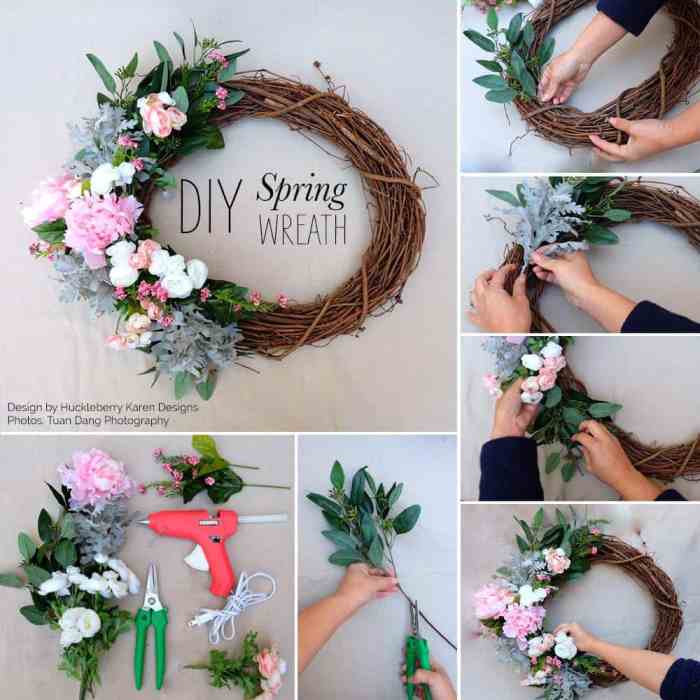
DIY projects for kids are not just fun; they’re a gateway to creativity and learning! These hands-on activities enable children to express themselves while developing essential skills. From crafting a bird feeder to whipping up homemade playdough, there’s no shortage of engaging projects that can be tackled right at home.
Each project presents an opportunity for kids to explore their imaginations and discover new concepts, reinforcing academic skills in a playful and practical way. With themes ranging from nature to literature, DIY projects can transform ordinary materials into extraordinary learning experiences.
Fun DIY Projects for Kids
Engaging kids in DIY projects not only fosters creativity but also helps them develop essential skills such as problem-solving and fine motor skills. These projects are perfect for rainy days or weekends spent at home. Here’s a list of five fun and easy DIY projects that children can enjoy while learning at the same time.
List of Engaging DIY Projects
These projects are designed to be simple yet enjoyable, involving materials that are often found around the house. They can be completed with minimal supervision, allowing kids to explore their creativity independently.
- Homemade Bird Feeder: A simple way to attract local wildlife.
- Painted Rocks: Transform ordinary stones into colorful garden decorations.
- DIY Friendship Bracelets: Craft colorful accessories to share with friends.
- Miniature Garden: Create a small indoor or outdoor garden with plants and decorations.
- Personalized T-Shirts: Use fabric markers to design one-of-a-kind shirts.
Creating a Simple Bird Feeder Using Recyclable Materials
Making a bird feeder with recyclable materials is an opportunity for children to explore nature and learn about local bird species. This project not only recycles materials but also encourages kids to observe and appreciate wildlife.To create the bird feeder, gather the following materials:
- An empty plastic bottle (such as a soda bottle)
- String or twine
- Scissors
- Birdseed
- Wooden dowels or sticks (optional for perches)
Steps:
1. Prepare the Bottle
Rinse the plastic bottle thoroughly. Cut small holes in the sides, about 1-2 inches from the bottom. These holes should be big enough for birdseed to flow out but small enough that the seed doesn’t spill out too quickly.
2. Insert Perches (Optional)
If using wooden dowels, poke holes through the bottle at the height of the holes you cut for the seed. Insert the dowels to create perches for the birds.
3. Fill the Bottle
Add birdseed through the top opening of the bottle. You may need to shake the bottle gently to settle the seeds.
4. Attach the String
Cut a length of string or twine and tie it securely around the neck of the bottle. This will be used for hanging.
5. Hang the Feeder
Choose a suitable spot outdoors, preferably where you can watch from a window. Hang the feeder from a tree branch, ensuring it is secure.
“Creating a bird feeder from recyclable materials promotes environmental awareness in kids while providing a fun activity.”
Making Homemade Playdough
Homemade playdough is a classic DIY project that is both fun and educational. It allows children to get hands-on experience with measuring and mixing while creating a tactile material they can mold and shape. The following recipe is simple and requires only a few ingredients. Ingredients:
- 2 cups all-purpose flour
- 2 cups water
- 1 cup salt
- 2 tablespoons vegetable oil
- 2 tablespoons cream of tartar
- Food coloring (optional)
Steps:
1. Mix Dry Ingredients
In a large saucepan, combine the flour, salt, and cream of tartar. Stir until well mixed.
2. Add Wet Ingredients
Pour in the water and vegetable oil. If using food coloring, add it now to achieve the desired color.
3. Cook the Mixture
Place the saucepan over medium heat. Stir continuously until the mixture thickens and begins to pull away from the sides, forming a dough-like consistency.
4. Knead the Dough
Once it’s thick enough, remove it from the heat and let it cool slightly. When it’s safe to handle, knead the dough on a clean surface until smooth.
5. Store the Playdough
Place the playdough in an airtight container to keep it fresh for future play sessions.
“Making playdough at home encourages creativity, enhances sensory experiences, and is a great way to spend time together.”
Educational Benefits of DIY Projects
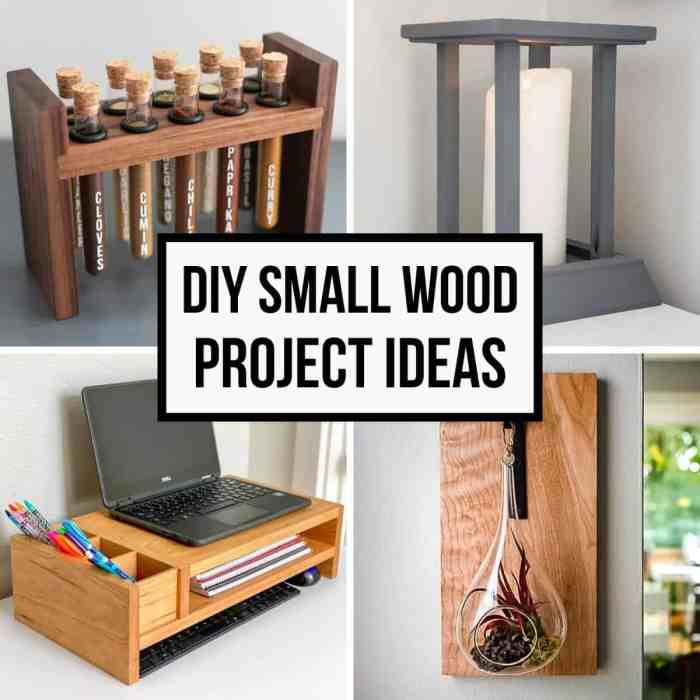
Engaging in DIY projects offers children a wealth of educational benefits that can significantly enhance their overall development. Through hands-on activities, children not only learn practical skills but also cultivate essential cognitive abilities. These projects serve as a stimulating environment for children to explore, experiment, and express their creativity, leading to a fulfilling learning experience that extends far beyond traditional classroom settings.
Skills Development Through Creativity and Critical Thinking
DIY projects are a powerful avenue for fostering creativity and critical thinking in children. Engaging in these activities encourages them to brainstorm innovative solutions, make decisions, and tackle challenges head-on. As they embark on their DIY journey, children learn to plan their projects, gather materials, and execute their ideas. This process nurtures their ability to think critically about the steps needed to achieve their desired outcome.
- Creativity is often expressed through design and personalization. For example, when creating a homemade greeting card, a child might choose unique colors, decorations, and messages that reflect their personality.
- Critical thinking is enhanced when they encounter obstacles, like a failed experiment in a science project, prompting them to reevaluate their approach and make necessary adjustments.
Enhancement of Fine Motor Skills and Hand-Eye Coordination
Hands-on projects are instrumental in developing fine motor skills and hand-eye coordination. These skills are crucial for children’s overall physical development and day-to-day functioning. Activities such as cutting, gluing, and assembling objects require precision and control, which help refine their motor skills.
- For instance, while building a model airplane, children must carefully manipulate small parts and use tools like scissors or glue, which strengthens their dexterity.
- The repetitive nature of these tasks also reinforces muscle memory, allowing them to become more adept at managing tools and materials as they progress in their DIY projects.
Reinforcement of Educational Concepts in Math and Science
DIY projects provide an engaging platform for reinforcing key educational concepts, particularly in math and science. These projects often require children to apply theoretical knowledge in practical situations, thus enhancing their understanding and retention of academic subjects.
- Math concepts such as measurements, geometry, and spatial awareness come into play when children create projects like building a birdhouse or designing a garden layout. They must calculate dimensions, angles, and areas, which solidifies their mathematical skills.
- Scientific principles are explored when conducting experiments or creating structures, like volcanoes or bridges, where they can observe cause-and-effect relationships and test hypotheses. For example, constructing a simple circuit can illustrate basic electrical principles while encouraging inquiry and experimentation.
Hands-on projects not only make learning enjoyable but also enable children to connect academic concepts to real-life applications.
Thematic DIY Projects for Learning
DIY projects not only stimulate creativity but also serve as fantastic educational tools. Incorporating themes such as seasons, nature, history, geography, and literature into these projects enhances children’s learning experiences. This allows children to engage with various subjects in hands-on ways, making complex concepts more accessible and enjoyable.
Seasonal and Nature-Themed DIY Projects
The changing seasons provide a natural framework for engaging DIY projects that can help children learn about biology, ecology, and environmental science. These projects can foster an appreciation for nature and encourage observational skills. Here are some projects that highlight seasonal changes:
- Autumn Leaf Collage: Collect diverse leaves in various fall colors, and create a beautiful collage. This project helps children learn about leaf types, tree species, and the science of photosynthesis as leaves change color.
- Winter Snowflakes: Using paper and scissors, children can create intricate snowflake designs. This activity introduces concepts of symmetry and geometry while discussing winter weather patterns.
- Spring Garden Planters: Plant seeds in decorated containers, teaching children about plant life cycles, gardening, and responsibility. Children learn how to care for their plants and observe their growth.
- Summer Nature Walk Journals: Encourage children to document their summer nature walks with sketches or writings. This practice enhances observation skills and fosters a connection to their environment.
History and Geography-Themed DIY Projects
Projects that explore history and geography can bring these subjects to life, allowing children to understand the world and its cultures in a tangible way. These DIY activities often involve research and creativity, making learning engaging.
- Historical Timeline Banner: Create a chronological banner that depicts key events in history. This project aids in understanding timelines and the significance of historical events, encouraging children to grasp the concept of cause and effect.
- World Map Puzzle: Craft a large puzzle of the world map using cardboard. As children put it together, they learn about geography, countries, and continents, enhancing spatial awareness and global knowledge.
- Cultural Artifact Replicas: Create replicas of artifacts from different cultures using clay or recycled materials. This hands-on project provides insights into historical significance and promotes discussions about cultural diversity.
Literature-Inspired DIY Crafts
Integrating literature into DIY crafts can inspire a love of reading while enhancing comprehension and creativity. Projects based on beloved books provide children with a deeper connection to stories and characters.
- Book-Themed Decorations: Create decorations inspired by favorite stories, such as a “Harry Potter” themed wand or a “Charlotte’s Web” spider web. This encourages artistic expression while reinforcing plot elements.
- Story Stones: Paint stones with images that represent key elements of a story. Children can use these stones to retell stories, enhancing narrative skills and comprehension.
- Character Puppets: Craft puppets of story characters using socks or paper bags. This project promotes creative storytelling and helps children express their understanding of character development and themes.
Epilogue
In conclusion, DIY projects for kids not only provide endless fun but also foster a love for learning through creativity and hands-on experience. By engaging in these activities, children can enhance their critical thinking and fine motor skills while enjoying quality time with family. So grab some supplies and let the crafting begin!
FAQ Insights
What age group is suitable for DIY projects?
Most DIY projects can be adapted for children aged 3 and up, with varying levels of complexity to suit different ages.
Do I need special tools for DIY projects?
Typically, you can use common household items and basic craft supplies, but some projects may require additional tools like scissors or glue.
Can DIY projects be done alone, or should they involve adult supervision?
While some projects can be done independently, younger children should have adult supervision to ensure safety and guidance.
Are DIY projects affordable?
Yes, many DIY projects use recyclable materials or items you already have at home, making them budget-friendly.
How can I adapt projects for different skill levels?
You can modify the complexity of instructions or the materials used, allowing for simpler tasks for younger kids and more intricate projects for older children.