Independent learning strategies empower students to take charge of their educational journey, fostering autonomy and critical thinking skills. By embracing these methods, learners can personalize their study habits, leading to enhanced engagement and a deeper understanding of the material.
In today’s fast-paced world, the ability to learn independently is more vital than ever. This overview delves into the different types of independent learning strategies, showcases successful initiatives, and highlights their significance in nurturing self-directed learners who are prepared for the challenges ahead.
Independent Learning Strategies Overview
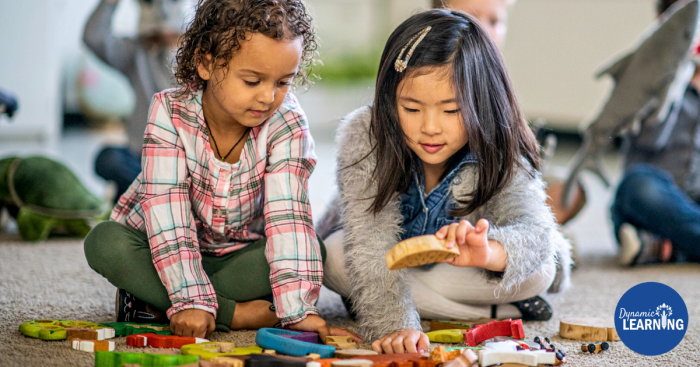
Independent learning strategies are educational methods that empower learners to take charge of their own education. These strategies are essential in modern education as they foster critical thinking, self-discipline, and lifelong learning skills. With the rapid advancement of technology and the growing emphasis on personalized education, independent learning has become a cornerstone of effective teaching practices.Various types of independent learning strategies are employed in educational settings to cater to different learning styles and preferences.
These strategies encourage students to engage actively with their learning material, develop problem-solving skills, and foster a sense of ownership over their education. Effective independent learning can occur through various formats, including online courses, self-directed projects, and research-based assignments.
Types of Independent Learning Strategies
A variety of independent learning strategies can be utilized to enhance student engagement and educational outcomes. Below are some prominent strategies that have been successfully implemented in educational environments:
- Self-Directed Learning: This strategy allows learners to set their own educational goals, determine their learning paths, and assess their progress. It promotes autonomy and self-motivation.
- Project-Based Learning: Students engage in real-world projects, which requires them to research, collaborate, and apply their knowledge in practical situations. This hands-on approach enhances critical thinking and problem-solving skills.
- Flipped Classroom: In this model, students learn new content at home through videos or reading materials and use classroom time for discussions and practical application. This approach encourages active participation and deeper understanding.
- Peer Learning: Students work together to teach and learn from one another. This collaborative method allows learners to share different perspectives and deepen their understanding of the material.
- Online Learning Platforms: With the rise of technology, many learners utilize online platforms to access courses and resources independently, allowing them to learn at their own pace and convenience.
Successful independent learning initiatives demonstrate the effectiveness of these strategies. Programs like the Khan Academy and Coursera provide resources that enable learners to engage with the material independently. Schools that have adopted project-based learning, such as High Tech High in California, showcase enhanced student motivation and improved academic achievement. These examples illustrate the transformative potential of independent learning strategies in fostering an engaging and effective educational experience.
Implementing Independent Learning Strategies
Implementing independent learning strategies in a classroom setting can significantly enhance students’ ability to learn autonomously and cultivate critical thinking skills. This structured approach empowers learners to take ownership of their academic journey while developing essential skills for lifelong learning. A well-thought-out step-by-step plan is crucial for effective implementation. It helps educators systematically introduce these strategies while ensuring that students can adapt and thrive.
Step-by-Step Plan for Implementation
Creating a structured plan for implementing independent learning strategies involves several key steps. The following Artikel provides a roadmap for educators:
- Identify Learning Goals: Determine the specific outcomes you want students to achieve through independent learning.
- Assess Student Readiness: Evaluate students’ current skills and knowledge to tailor strategies that meet their needs.
- Introduce Independent Learning Concepts: Explain what independent learning entails and its benefits to motivate students.
- Provide Training on Learning Tools: Familiarize students with the resources and tools available for independent learning.
- Set Clear Expectations: Artikel the responsibilities of students in managing their learning and the desired timeline.
- Monitor Progress: Regularly check in with students to provide feedback and support as needed.
- Encourage Reflection: Allow students to evaluate their learning experiences and outcomes to foster self-awareness.
Resources and Tools Supporting Independent Learning
A variety of resources and tools can significantly enhance independent learning. Providing students with access to these materials empowers them to explore topics at their pace and interests. Below is a list of effective resources and tools:
- Online Learning Platforms: Websites like Khan Academy, Coursera, and edX offer a wide range of courses across various subjects.
- Digital Libraries: Platforms such as Google Books and Project Gutenberg provide access to thousands of free texts and academic resources.
- Educational Apps: Tools like Quizlet and Anki facilitate study sessions through interactive flashcards and quizzes.
- Video Tutorials: YouTube channels specializing in educational content cover numerous topics and enhance visual learning.
- Collaborative Tools: Google Drive and Microsoft OneNote allow students to work together on projects while managing their own contributions.
Assessing the Effectiveness of Independent Learning Strategies
To determine the success of independent learning strategies, it is essential to implement various assessment methods. These assessments provide insights into students’ understanding and engagement levels, informing any necessary adjustments to teaching approaches.Effective assessment methods include:
- Formative Assessments: Regular quizzes and short assignments can gauge student comprehension and areas for improvement.
- Self-Assessment Surveys: Encourage students to evaluate their learning progress and identify strengths and weaknesses.
- Peer Reviews: Having students assess each other’s work fosters collaboration and critical thinking skills.
- Reflective Journals: Students can document their learning experiences, which helps them reflect on their growth and learning strategies.
- Project-Based Assessments: Assessing projects that require independent research and presentation allows students to demonstrate their knowledge effectively.
Challenges and Solutions in Independent Learning
Independent learning can be a transformative experience for students, fostering self-reliance and critical thinking. However, several challenges often arise when students attempt to adopt these strategies. Recognizing these obstacles and developing effective solutions is essential for both educators and learners to enhance the independent learning experience.
Common Challenges Faced by Students
Students embarking on independent learning often encounter various challenges that can hinder their progress. These challenges can stem from a lack of self-discipline, insufficient resources, difficulty in setting achievable goals, or the overwhelming nature of self-directed study. Understanding these hurdles is the first step toward finding constructive ways to address them.
- Lack of Motivation: Many students struggle to maintain the motivation needed for independent learning, especially when faced with the absence of external accountability.
- Poor Time Management: Without structured schedules, students may find it difficult to allocate time effectively for their studies, leading to procrastination.
- Insufficient Guidance: Some learners may feel lost without direct instruction or support from educators, resulting in confusion and frustration.
- Overwhelming Resources: The vast number of available resources can be daunting, making it hard for students to sift through information and choose what is relevant.
Solutions for Educators
Educators play a crucial role in supporting students through these challenges by providing strategies and tools that can enhance their independent learning experience. Implementing targeted solutions can significantly improve students’ ability to manage their learning effectively.
- Fostering a Growth Mindset: Encourage students to view challenges as opportunities for growth. This can be achieved through positive reinforcement and by sharing success stories of fellow learners.
- Setting Clear Goals: Help students set specific, measurable, achievable, relevant, and time-bound (SMART) goals. This structure can provide direction and motivation.
- Creating a Supportive Environment: Establish online forums or group discussions where students can share experiences, ask questions, and receive advice from peers and educators.
- Utilizing Time Management Tools: Introduce students to various time management tools and techniques, such as the Pomodoro Technique or digital planners, to enhance their productivity.
The Role of Technology in Independent Learning
Technology has revolutionized the landscape of independent learning, offering tools that can significantly enhance the learning experience. By integrating technology effectively, educators can provide students with resources that support their self-directed studies.
- Access to Resources: Online libraries, educational platforms, and digital courses allow students to explore a wealth of information at their own pace, catering to diverse learning styles.
- Interactive Learning Tools: Applications that promote active learning, such as quizzes or flashcard systems, can keep students engaged and make the learning process enjoyable.
- Feedback Mechanisms: Platforms that provide instant feedback on quizzes or assignments help students understand their progress and areas for improvement, fostering a sense of accountability.
- Community Engagement: Social media and collaborative tools enable students to connect with others in real-time, facilitating peer support and knowledge sharing.
Concluding Remarks
In summary, independent learning strategies are not just about studying alone but creating an enriching educational experience that encourages lifelong learning. By overcoming common challenges and leveraging technology, educators can enhance independent learning environments, ultimately preparing students for success in their academic and professional lives.
FAQ Explained
What are independent learning strategies?
Independent learning strategies are techniques that enable students to manage their own learning processes, fostering skills such as critical thinking and self-motivation.
How can independent learning strategies benefit students?
These strategies encourage students to take ownership of their learning, improve problem-solving abilities, and develop confidence in their skills.
What tools can support independent learning?
Tools like online resources, educational apps, and collaborative platforms can enhance independent learning experiences by providing easy access to information and support.
How can educators assess independent learning?
Educators can assess independent learning through observations, self-assessments, and performance evaluations on projects and assignments.
What challenges do students face with independent learning?
Common challenges include lack of motivation, difficulty in self-discipline, and insufficient resources, which can hinder effective independent study.