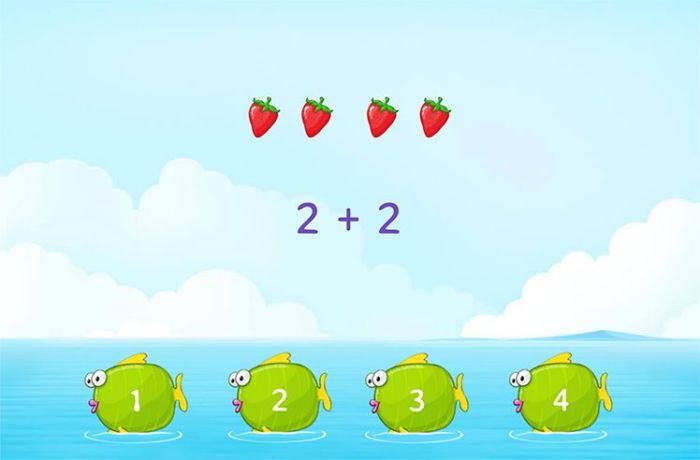
Welcome to the exciting world of Kindergarten math games, where learning meets fun! These interactive activities not only help children grasp essential math concepts but also make the process enjoyable and engaging. By incorporating games into the curriculum, educators can foster a love for numbers in young learners, setting the foundation for their future math skills.
From simple counting exercises to themed challenges that incorporate addition and subtraction, the right games can transform a standard classroom environment into a dynamic learning space. With an emphasis on play, children can learn through exploration, creating a positive association with math that lasts a lifetime.
Engaging Kindergarten Math Games
Math can be a fun and exciting adventure for kindergarteners when introduced through engaging games. These activities not only entertain but also lay the groundwork for essential mathematical skills. By integrating play with learning, children develop a positive attitude towards math, enhancing their problem-solving abilities and cognitive skills.Play is a powerful tool in early childhood education, particularly in mastering basic math concepts.
Interactive games stimulate young minds, fostering curiosity while building foundational skills like counting, number recognition, and simple addition or subtraction. Through these games, children learn at their own pace, allowing them to explore and grasp these concepts in a stress-free environment.
List of Interactive Math Games
Here are some enjoyable and educational math games designed to engage kindergarteners and reinforce their understanding of key mathematical concepts:
- Counting Bears: Children use colorful bear counters to practice counting, sorting, and basic addition. The tactile experience helps reinforce the numbers they learn.
- Number Hopscotch: Create a hopscotch grid with numbers. Kids jump on the corresponding number as they count out loud, which aids in number recognition and motor skills.
- Shape Sorting Games: Provide a variety of shapes and ask children to sort them by type, color, or size. This helps develop their understanding of geometry and categorization.
- Math Bingo: Use bingo cards with numbers instead of letters. Call out numbers, and children cover them on their cards, promoting number recognition in a fun setting.
- Magic Number Line: Create a giant number line on the floor. Children can jump to answer addition and subtraction problems, combining physical activity with math.
Design of a Simple Math Game
A straightforward game that incorporates counting and number recognition is the “Number Scavenger Hunt.” In this game, children search for hidden numbers around the classroom or playground.To set up the game:
- Write numbers 1 through 10 on colorful pieces of paper and hide them in various locations.
- Give each child a checklist with the corresponding numbers.
- As they find each number, they mark it off their list and say the number aloud to reinforce recognition.
This hands-on approach not only encourages counting but also promotes movement and exploration, making math both dynamic and enjoyable for young learners. The game can be adapted to different themes, such as animals or shapes, to keep the excitement alive and cater to various learning preferences.
Incorporating Educational Themes into Math Games

Incorporating educational themes into math games adds a vibrant layer of engagement and creativity that can transform basic learning into memorable experiences. Themes such as “Education Queen” or “Education Delightful” allow young learners to immerse themselves in playful narratives while sharpening their mathematical skills. By anchoring math concepts within relatable and imaginative frameworks, educators can foster a love for learning that persists beyond the classroom.Utilizing themes in math games promotes not only the understanding of mathematical concepts but also enhances critical thinking and problem-solving abilities in children.
For instance, framing addition and subtraction within the context of a royal adventure or a delightful journey can create excitement and motivation. This approach encourages students to connect emotionally with the subject matter, making abstract concepts more tangible and enjoyable.
Themed Math Games Focused on Addition and Subtraction
When designing themed math games, it’s crucial to choose engaging narratives that resonate with kindergarteners. These games often utilize familiar characters, settings, and challenges to make learning fun. Below are some examples and ideas for themed math games that emphasize addition and subtraction:
1. Education Queen’s Castle Adventure
Children embark on a quest to help the Education Queen collect jewels. Each player rolls a die to advance through the castle while solving addition problems to gather jewels at each checkpoint.
2. Education Delightful Picnic Party
In this game, children must help plan a picnic by determining how many snacks are needed for their friends. They solve subtraction problems based on the number of snacks they start with versus how many are eaten.
3. Royal Pet Rescue
Players work together as royal veterinarians to save pets by solving addition problems. For example, if there are three dogs and two cats needing help, children can practice addition by finding the total number of pets.
4. Delightful Fruit Market
Set up a market where children can “buy” and “sell” fruit using play money. They must calculate total costs and make change, reinforcing both addition and subtraction skills in a fun shopping environment.These themed games not only make learning math enjoyable but also create a narrative that captivates young minds. By incorporating exciting themes, educators can enhance their students’ learning experiences while ensuring that foundational math skills take root in a playful and engaging manner.
Strategies for Effective Learning through Games
Incorporating games into kindergarten math activities can greatly enhance learning experiences for young children. By utilizing various strategies, educators can create an inclusive environment that caters to the diverse learning styles present in a classroom. Through thoughtful game design and implementation, children not only grasp mathematical concepts but also develop essential social skills and a love for learning.Adapting math games to meet the varied learning styles of kindergarten students is vital for effective learning.
Visual learners benefit from colorful, interactive games that allow them to see mathematical concepts in action. Kinesthetic learners thrive when they can manipulate objects, such as counting blocks or playing board games that involve movement. Auditory learners may excel with games that incorporate songs or verbal instructions. By providing a range of activities that target these different styles, teachers can ensure that all children are engaged and are able to absorb the material effectively.
Benefits of Competitive Elements in Games
Incorporating competitive elements in games, such as “Education Trap,” can motivate young learners and foster a spirit of healthy competition. These elements encourage students to engage more deeply with the content and enhance their learning experience. The thrill of competition can create excitement, prompting children to participate actively and try their best to succeed. A study conducted by the National Association for the Education of Young Children (NAEYC) indicates that competition can lead to improved focus and increased retention of information.
When children are motivated to win, they often practice their skills more diligently, reinforcing their understanding of mathematical concepts. Moreover, competitive games can teach valuable life lessons, such as teamwork, resilience, and how to handle both winning and losing gracefully.
Math Games and Their Educational Benefits
The following table details various math games suitable for kindergarten classrooms, highlighting their corresponding educational benefits. This serves as a guide for educators when selecting games that align with their teaching objectives.
| Math Game | Educational Benefits |
|---|---|
| Counting Bears | Enhances counting skills and introduces basic addition and subtraction. |
| Number Bingo | Fosters number recognition and encourages listening skills through auditory engagement. |
| Math Hopscotch | Promotes physical movement while reinforcing number sequencing and simple arithmetic. |
| Shape Scavenger Hunt | Supports shape recognition and spatial awareness through interactive exploration. |
| Education Trap | Encourages problem-solving and critical thinking in a competitive environment. |
Last Recap
In summary, Kindergarten math games serve as a powerful tool for educators, blending play with essential learning outcomes. By adapting games to various themes and learning styles, teachers can ensure that each child has the opportunity to thrive. So, let’s embrace the joy of learning through play and watch as our little ones develop a strong mathematical foundation!
Question Bank
What types of math skills can Kindergarten math games teach?
They can teach counting, number recognition, basic addition and subtraction, and even patterns and shapes.
Are these games suitable for all learning styles?
Yes, many games can be adapted to accommodate visual, auditory, and kinesthetic learners.
How can I create a math game at home?
Use everyday items like blocks or cards to create simple counting or sorting games that encourage math practice.
What is the importance of themed math games?
Themed games can make learning more relatable and enjoyable for children, enhancing engagement and retention.
How can competition enhance learning in math games?
Healthy competition can motivate children to improve their skills and encourages teamwork as they work together to achieve goals.